Being an influencer may look like the dream job online, but the reality behind the ring lights and viral posts is often far more complicated. Many creators say the pressure to stay relevant, entertaining, and constantly visible has left them battling burnout, anxiety, and emotional fatigue.
For many influencers, the hardest part of the job is not creating good content. It is maintaining the emotional energy required to stay visible every day. As creators open up about burnout, loneliness, and anxiety, their experiences are exposing how social media fame can quietly affect mental health in ways audiences rarely see behind curated posts and viral videos.
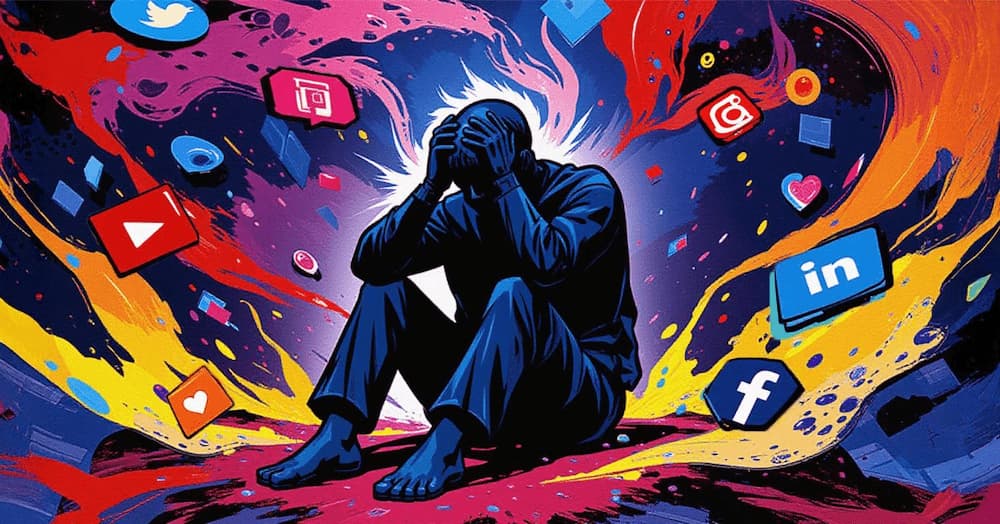
5 Major Hidden Mental Health Costs of Being an Influencer
The Pressure to Always Be “On”
According to scholarspace.manoa.hawaii, The Pressure to Always Be “On” is a well-documented challenge in the creator economy, often leading to burnout. Moreover, it leads to anxiety and blurred personal-professional boundaries. Most traditional jobs have clear start/end times and a separation between work and personal life, unlike influencing, which rarely works that way.
Social media platforms reward constant activity. Platforms like Instagram, TikTok, and YouTube favor creators who post frequently, stay active, and generate ongoing engagement. Taking breaks can reduce reach, as the algorithm interprets inactivity as lower relevance. For influencers, disappearing from the internet for even a short period can lead to fewer views. Additionally, it can lead to reduced engagement and lost income opportunities. As a result, this creates constant pressure to remain visible, which over time can become emotionally draining.
Many influencers and creators feel they must always appear entertaining, energetic, and emotionally available, even when facing struggles privately. However, they begin to feel like every outing, conversation, personal moment, and vacation could potentially become content. The inability to mentally disconnect from online performance often contributes to chronic stress and exhaustion. Notably, nearly 80% of influencers report burnout, with 58% citing “always being on social media” as a key factor.
Validation Becomes Tied to Numbers
This is one of the most pervasive psychological challenges in the influencer and creator economy. Metrics like likes, comments, shares, views, and engagement rates are not just social interactions. They are directly connected to income, relevance, and career success, often leading to unhealthy emotional relationships with audience validation. scholarspace.manoa.hawaii. High engagement boosts discoverability, attracts brand deals, and sustains income. Poor performance can mean lost opportunities, intensifying the stakes.
Moreover, influencers and creators develop obsessive habits of checking analytics, refreshing notifications, and comparing engagement numbers with other influencers. This “obsession over content performance” is frequently cited as a major driver of anxiety and burnout. A post performing poorly can suddenly feel personal rather than algorithmic. When attention becomes linked to self-worth, emotional stability can become fragile.
Social media platforms are designed around instant feedback loops. Positive engagement delivers quick emotional rewards, while criticism or declining numbers can trigger anxiety and insecurity. For influencers whose livelihoods depend on maintaining audience attention, these emotional highs and lows become even more intense. As a result, some creators begin questioning their value based entirely on online performance. The psychological pressure of constantly measuring personal success through numbers can slowly erode confidence. Assuredhopehealth
Online Harassment and Public Scrutiny
Online Harassment and Public Scrutiny are major occupational hazards in the influencer industry, intensifying as audience size grows. Unlike traditional celebrities with PR teams, managers, and security, most creators handle direct exposure themselves, making them particularly vulnerable. Over 70% of influencers report experiencing some form of online harassment or toxic criticism. Many creators report feeling anxious in public spaces, fearing being recorded, recognized, or criticized. This constant scrutiny leads to emotional fatigue, hyperawareness of every action, and difficulty disconnecting.
When it comes to the gendered nature of harassment, female creators face disproportionate and more severe harassment than male creators. They are targeted with comments about their appearance, bodies, relationships, age, or sexuality. Some experience stalking, impersonation accounts, or coordinated online bullying campaigns. Even minor mistakes or controversial opinions can rapidly escalate into large-scale internet outrage. As a result, this constant scrutiny creates emotional tension that follows creators beyond their screens.
Fear of Becoming Irrelevant (“falling off”)
Social media operates at high speed. Trends disappear overnight, audiences lose interest rapidly, and platforms constantly change their algorithms; however, for influencers, this creates a persistent fear of losing relevance. Many creators worry that taking time off could cause audiences to forget them. Others fear newer influencers replacing them or trends evolving faster than they can adapt. Since income is often unpredictable and heavily tied to engagement, declining popularity can feel financially and emotionally threatening. In return, this instability creates constant anxiety about the future.
Unlike traditional careers with clearer long-term structures, influencing offers very little security. Brand deals can disappear suddenly, platforms may reduce visibility without explanation, and online fame can fade quickly. This financial precarity turns relevance into a survival issue. Even successful creators often describe feeling insecure about how long their careers will last. The fear of “falling off” online keeps many influencers locked in a nonstop race for visibility that becomes mentally exhausting over time.
Loneliness Behind the Screen
Unlike traditional workplaces, content creation is usually done alone. Influencers often appear socially connected because they interact with thousands or even millions of followers. But many creators privately describe influencer life as deeply isolating. Additionally, the pressure to maintain a personal brand can also complicate relationships. Creators spend hours alone filming, editing, responding to emails/DMs, negotiating deals, brainstorming, and monitoring analytics, often done from home.
This leads to extended screen time with limited face-to-face contact. Many describe their days as filled with digital interactions rather than meaningful in-person conversations. Because influencers are expected to project confidence and positivity online, many avoid discussing loneliness publicly until burnout becomes severe. Audiences often see curated highlights rather than the emotional reality behind them.
“The next time an influencer’s life looks perfectly fine online, remember that social media rarely shows the emotional cost behind constant visibility. Internet fame can bring opportunity, but it can also quietly affect mental health in ways followers never fully see.”
“Behind every perfectly edited post may be someone quietly struggling to hold themselves together off-camera.“
Leave a Reply
You must be logged in to post a comment.